(en) for All in Saga I met
For All in Saga I Met
한국어는 여기: 「(ko) 사가에서 만난 모두에」
日本語の方はこちら: 「(ja) 佐賀で出会った皆へ」
for English: 「(en) for All in Saga I met」
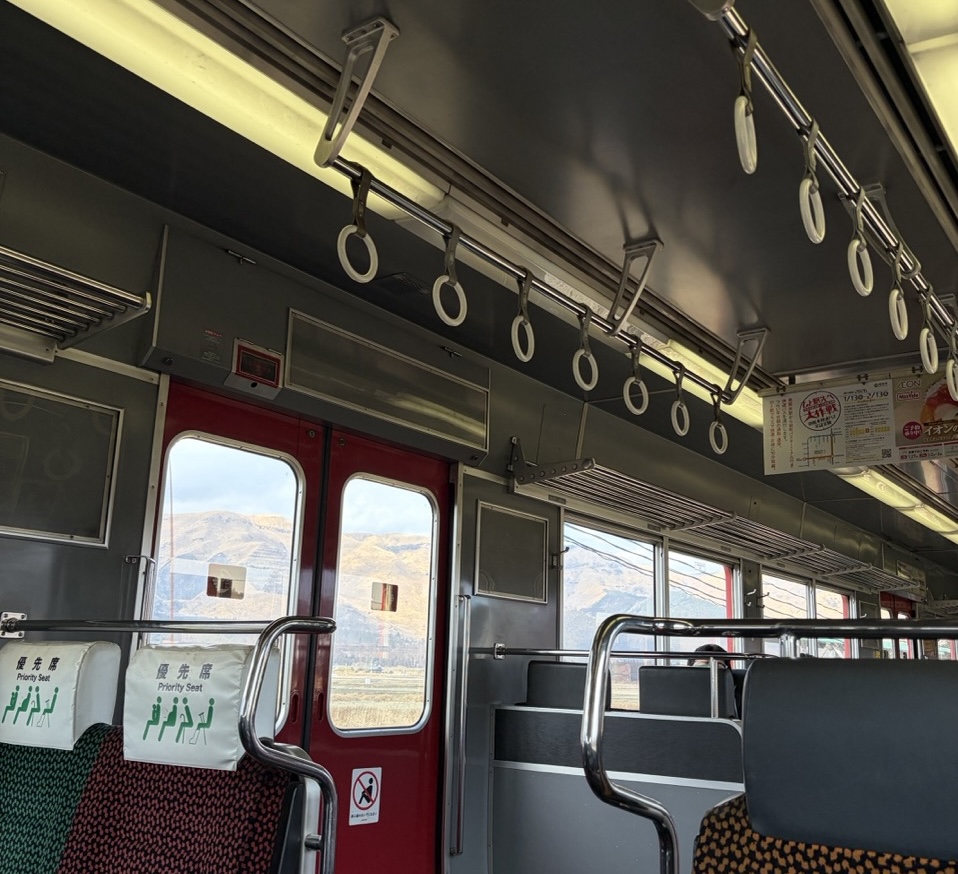
On the way back to my original dormitory after traveling to Kumamoto with another Korean exchange student. On the train heading back to Saga, I suddenly realized that the day I have to return to Korea is not far away.
At the same time, this means I have to write and submit my exchange student dispatch report.
Coming here, I was grateful to receive a large sum of financial support from Mirae Asset Securities, a Korean company. It might not reach the exact amount I received, but I want to give back something of equivalent value.
So, I started gathering and organizing my diary entries, bundles of memos, and scribbled notes from my time here.
The sentences that follow might be a bit too personal to be included in a formal report, but I have laid them out here because it felt like a waste to just delete these unfinished thoughts.
I simply want to unravel the words I wish to attach to the things I encountered during this exchange period. I hope you can think of this as a director’s commentary on a one-man play that no one really cares about, something you can just skim through to kill time.
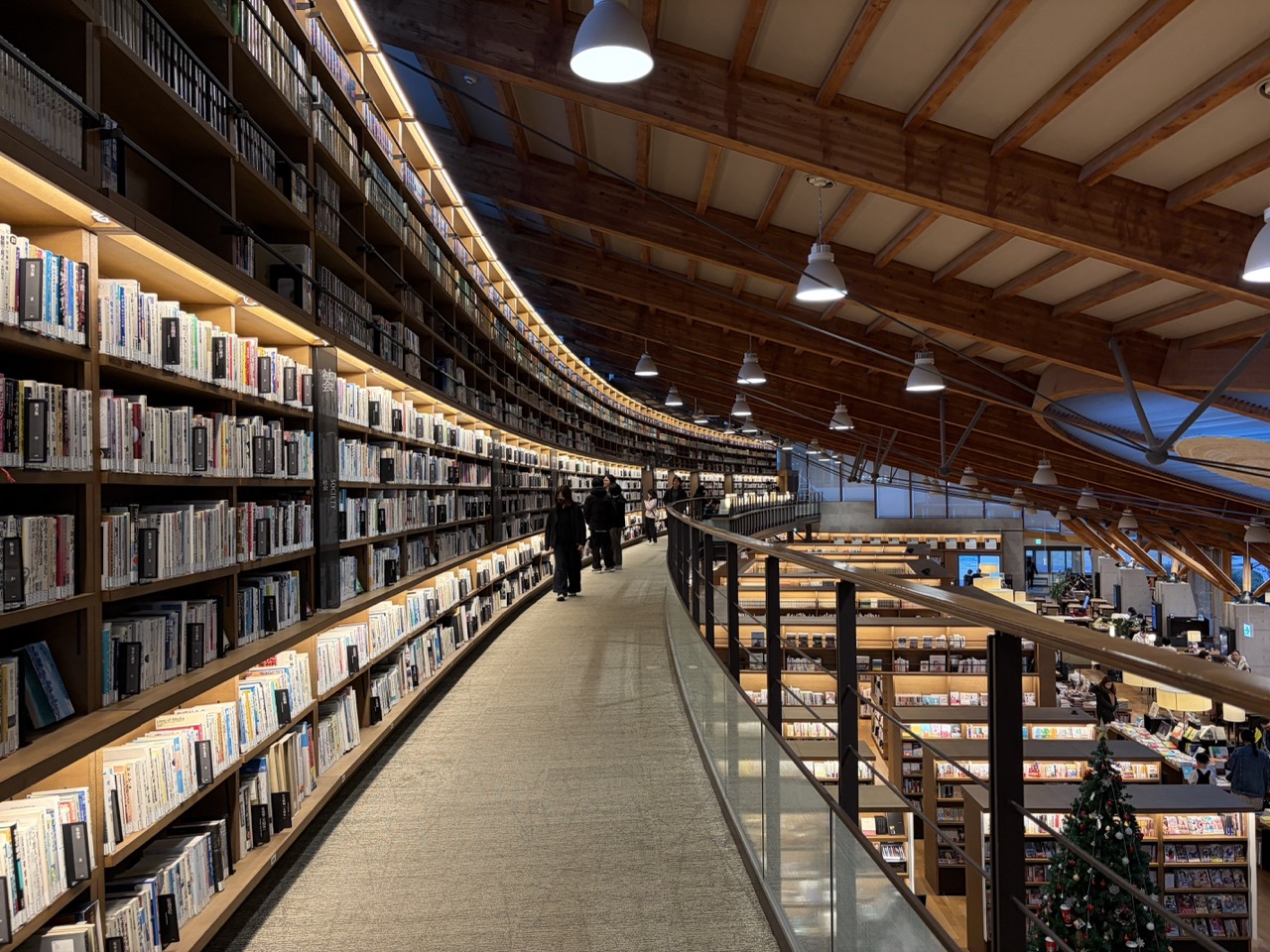
Takeo City Library, Takeo City, Saga Prefecture
# The Beginning
“There are surprisingly many people who say, ‘It’s a waste to take kids on trips when they’re young because they won’t remember it when they grow up,’ but let me tell you, it is not a waste at all. The reason is that memory is continuous.”
This is a sentence that reappears on social media just when you’re about to forget it. It means that even if you forget memories from the distant past, or if you won’t remember the present in the distant future, the memories of the near past continuously connect to the near future, and this repetition is what makes the ‘me’ of today.
My living in Saga doesn’t seem to deviate much from this idea.
A year ago, I told the university that sent me as an exchange student and the scholarship foundation that greatly helped me live in Saga, that I admired Japanese game companies and desperately wanted to become one of them, so I wanted to experience living in Japan first. I think the sincerity of that statement can be proven by the emotions I felt while playing NieR:Automata and Elden Ring.
Three years ago, while serving in the military at the border with North Korea in Paju, South Korea, I grew so sick of life there that I thought I wouldn’t mind abandoning the country where I was born and raised. If our country were to face a disaster like other countries in the world back then and even now, and I had to return to that place, I felt I wouldn’t be able to endure it anymore. So, I blindly prepared for a working holiday in Japan and studied Japanese as much as I could.
“I’m thinking of going on a working holiday to Japan.”
Five years ago, in the game development club I joined right after becoming an adult. Those were the words spoken to me by someone who probably influenced me quite a bit. Actually, before that, I had no idea what a working holiday was. I couldn’t even fathom the idea of going abroad to live.
Ten, or maybe fifteen years ago, if I hadn’t read Japanese anime and light novels from a fairly young age, I wouldn’t have become so intertwined with Japan. I might not have even thought about joining a game development club. I think the young me shared more cultural codes and common ground with Japanese kids than with Korean kids. When my friends were going crazy over the new songs by TWICE and EXO, and obsessing over Reply 1988, I was overly immersed in A Certain Magical Index and Sword Art Online, unhesitatingly making all sorts of embarrassing actions and remarks.
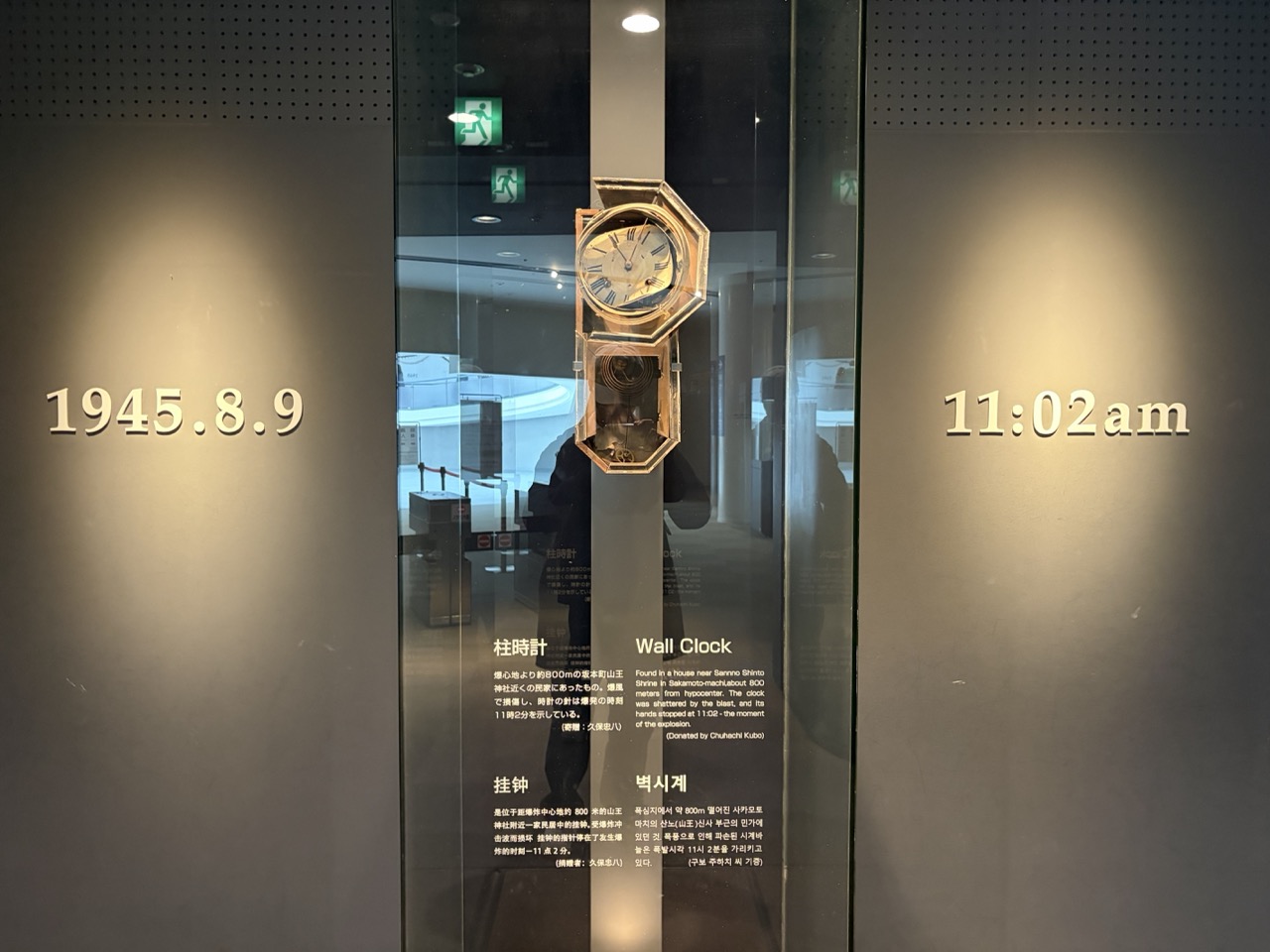
Wall Clock, Nagasaki Atomic Bomb Museum, Nagasaki City, Nagasaki Prefecture
# I Guess “Jonghyeon” is Hard to Pronounce After All
Whenever I introduced myself, I always asked people to call me by my surname, “Park.” Then, I would often receive questions like, “Aren’t all Koreans surnamed Park?” or “That sounds a bit cold, so I’ll call you by your first name,” or anyway, asking what my first name was.
However, even when I showed them the Katakana pronunciation, it seemed just as difficult to pronounce. It was subtle how everyone, as if they had planned it, put a certain accent on it, sounding like “Jon?Hyon…”. If it were a scene in a comic book, I felt like the speech bubble would literally say “Jon?Hyon…”.
But fortunately, among the Korean exchange students this time, there were only two with the surname Park, and the other person’s name was easy for Japanese people to pronounce. So, I got to keep the title “Park-san,” and that friend could be called by their first name.
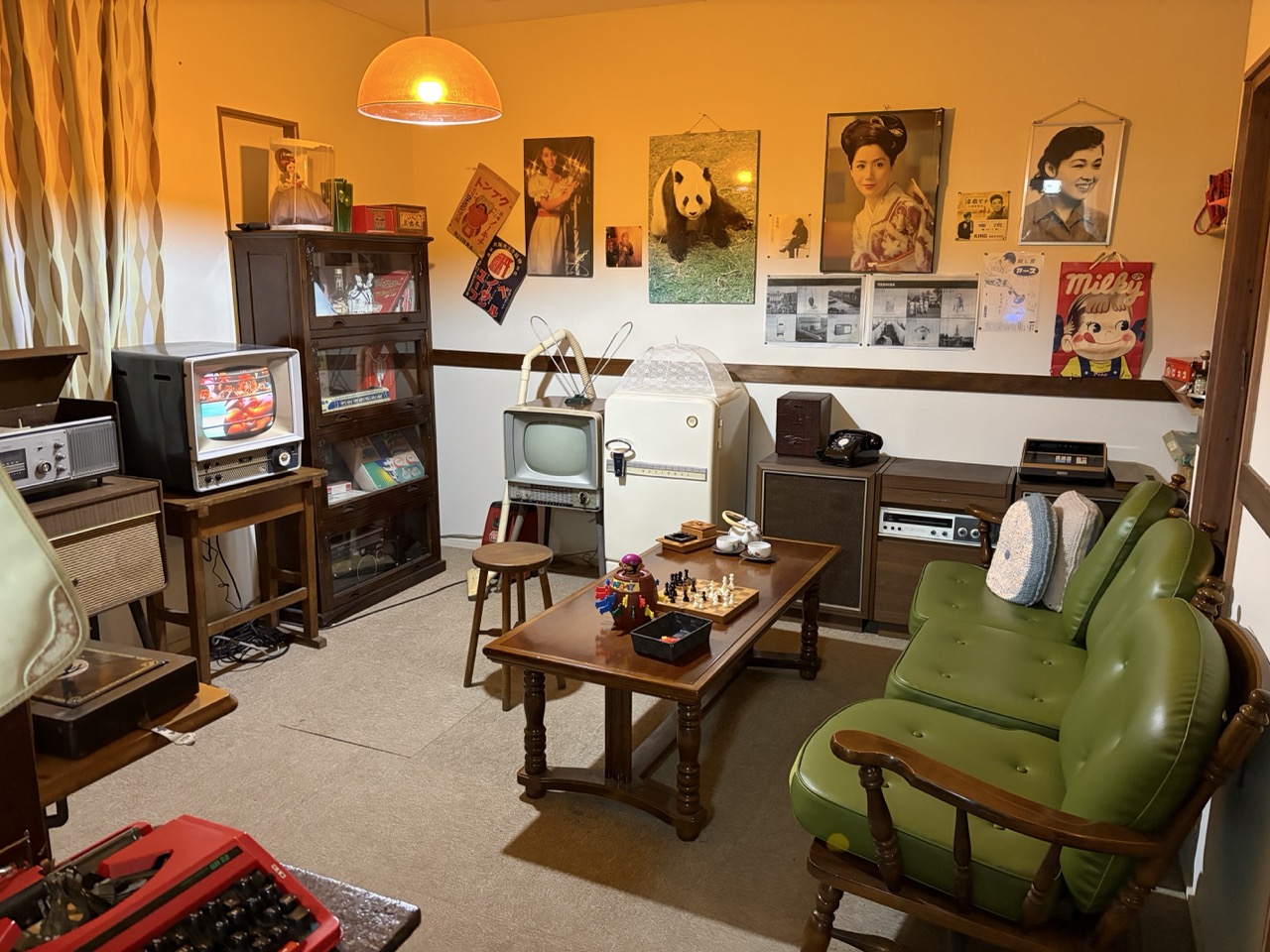
Yufuin Showakan, Yufuin, Yufu City, Oita Prefecture
# People Who Stay in Saga, People Who Leave Saga, People Who Gather in Saga
I was advised that since many people in big cities can speak English, I should go to a small city if I wanted to study Japanese, so I chose to go to Saga. Saga felt like, “The place famous for being the least famous in Japan.”
Before leaving for my exchange program, I visited Tokyo one day to see a friend from my military days who had gone to Japan on a working holiday right after his discharge. I wanted to hear how life in Japan was, if his part-time job was manageable, and if he felt lonely.
When I asked if he had ever heard of the region called Saga, my friend kept repeating that he didn’t really know, and then after seeing the Kanji for Saga, he just gave a brief comment that it seemed like onions from Saga were being delivered to his workplace.
According to a Korean friend who came to visit Saga, while talking with the owner of an Izakaya in Fukuoka, the owner was puzzled and asked why on earth he was going there when my friend mentioned he was heading to Saga.
Saga looked like a typical declining small town. On a Sunday evening, just a few days after I started staying in Saga, I went out looking for a crowded place, but the streets near Saga Station were dead silent, let alone having any people. Even though Saga Station should be the most bustling place in Saga.
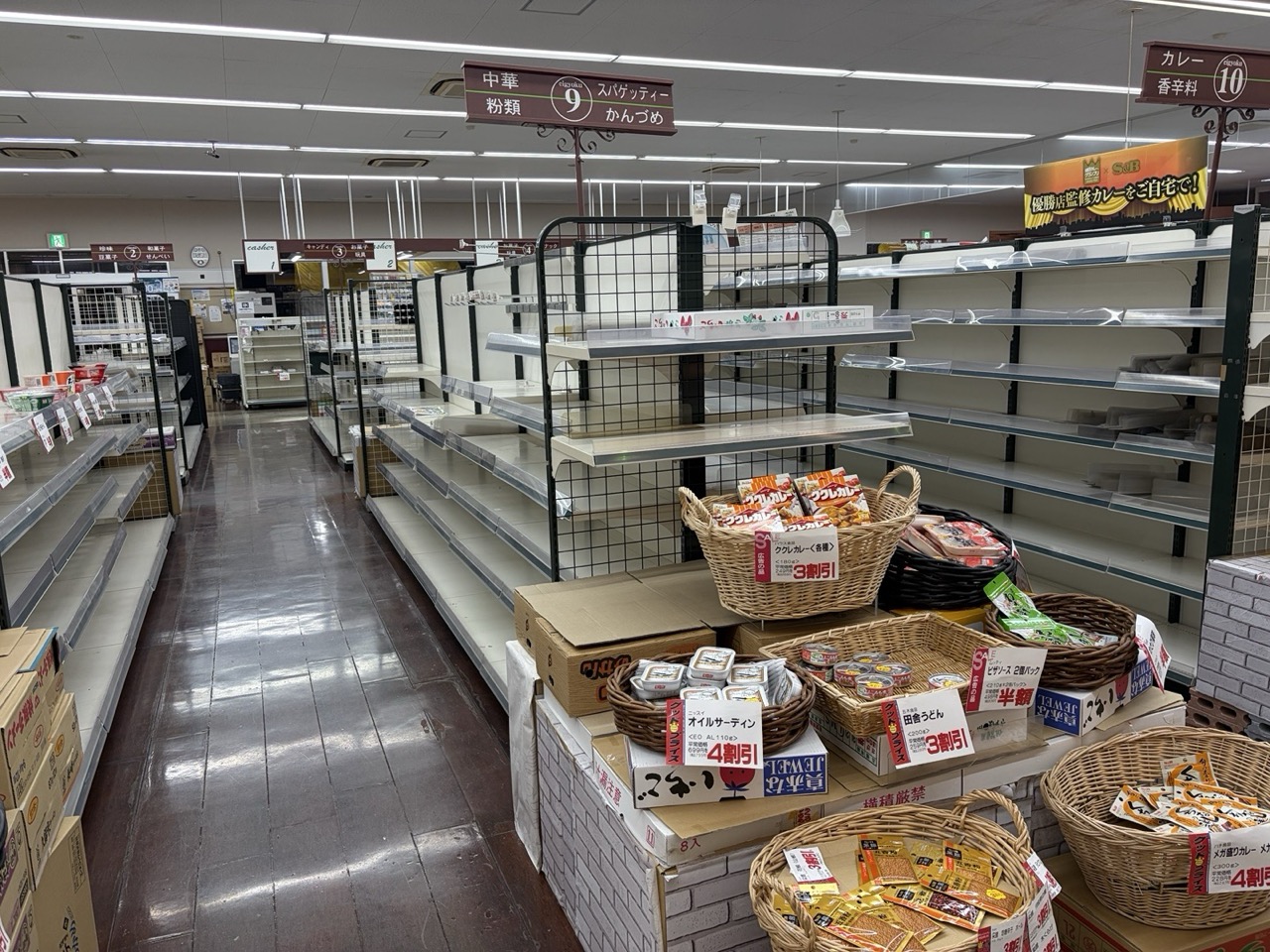
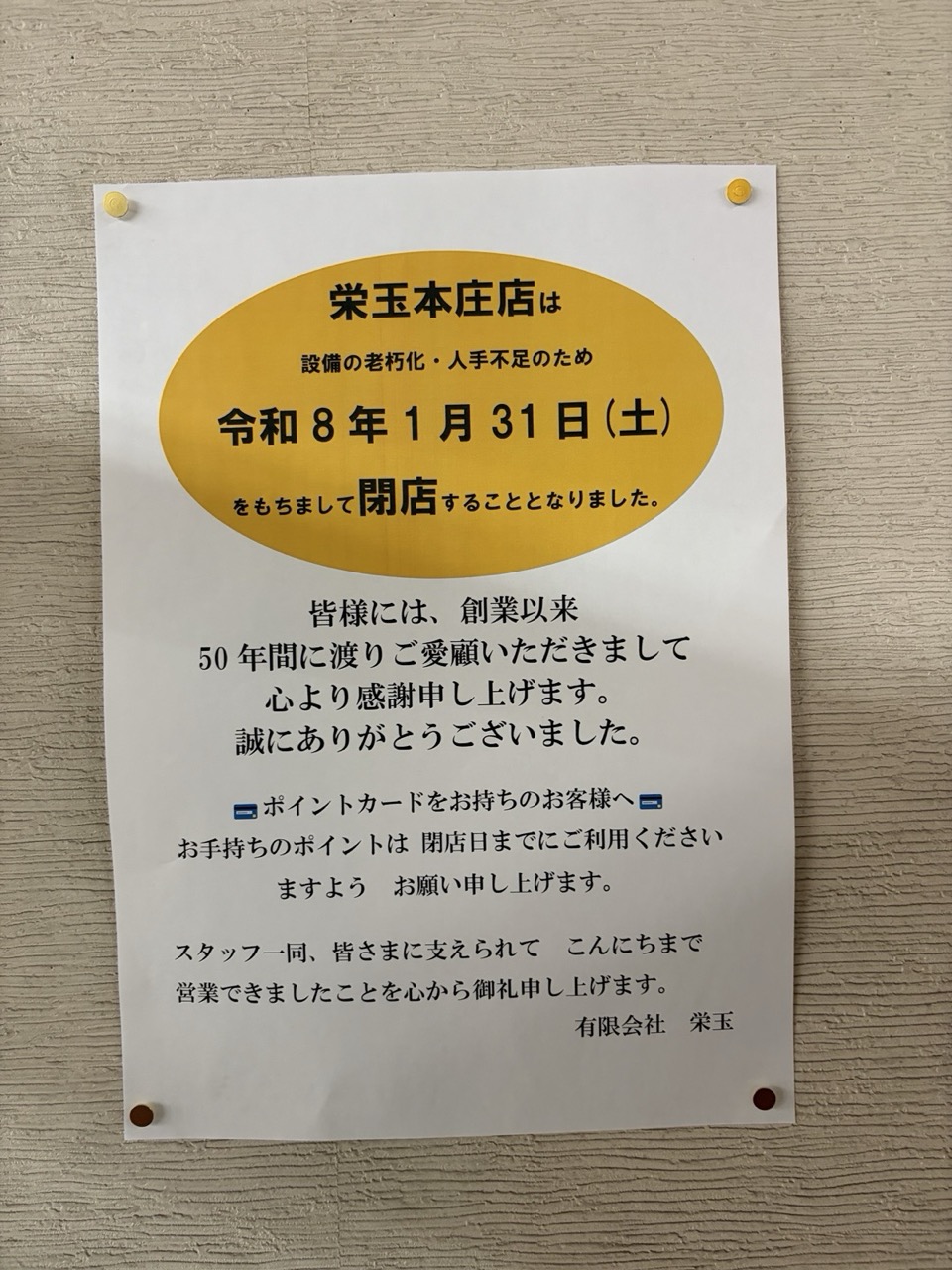
It was also quite impressive to see quite a variety of stores, which looked like they had maintained a long history, closing down during this short period. Especially when I saw a supermarket that had kept its place in the community for 50 years emptying all its shelves to close down, I felt sad and regretful, even though I wasn’t a local resident.
Actually, there are quite a few guys who don’t want to leave Fukui even if they go to college. Sometimes it’s just because they like Fukui, and sometimes it’s because they’ve lived there so long that they’re afraid to leave a familiar place and live alone. (…) They are born in Fukui, grow up in Fukui, start a family in Fukui, and live their lives in Fukui.
From the novel Chitose-kun wa Ramune Bin no Naka 3, 33-34
In a novel set in Fukui, a small provincial city similar to Saga, there was a monologue saying that some people wouldn’t want to leave the place they were born and raised, even if it’s the countryside. Suddenly, I thought of my seniors and friends who all left for the capital region without a single exception. I wondered how it actually is in Japan—is that just a novel? Or are there actually people who think that way?
I hate this kind of life! I hate this countryside! Please let me be born as a handsome boy in Tokyo in my next life!
From the animation Your Name
Most of the people I met were quite proactive, aiming to leave for bigger cities or even go abroad. Actually, from an exchange student’s perspective, the local students you meet at school are those who spend their time and effort to get close to foreigners, so it might be natural that they are generally proactive or adventurous, and it’s not strange for them to dive into a world they don’t know. They seemed determined to go to Tokyo, or at least Fukuoka, the largest city in Kyushu.
One day, while traveling in Hita City, Oita Prefecture, I visited a local history museum. While filling out a tourist survey at the museum, I told the staff that I was from Saga University, and they were delighted, saying their child was currently preparing for the Saga University entrance exam.
In Saga, it was easier to find young children and students than in Gwangju, Korea. It might be that Korea is the unusual one, where it’s hard to see the younger generation because they are busy touring all sorts of academies—piano, Taekwondo, etc.—from a young age, but just seeing these kids made me feel nostalgic about my own childhood.
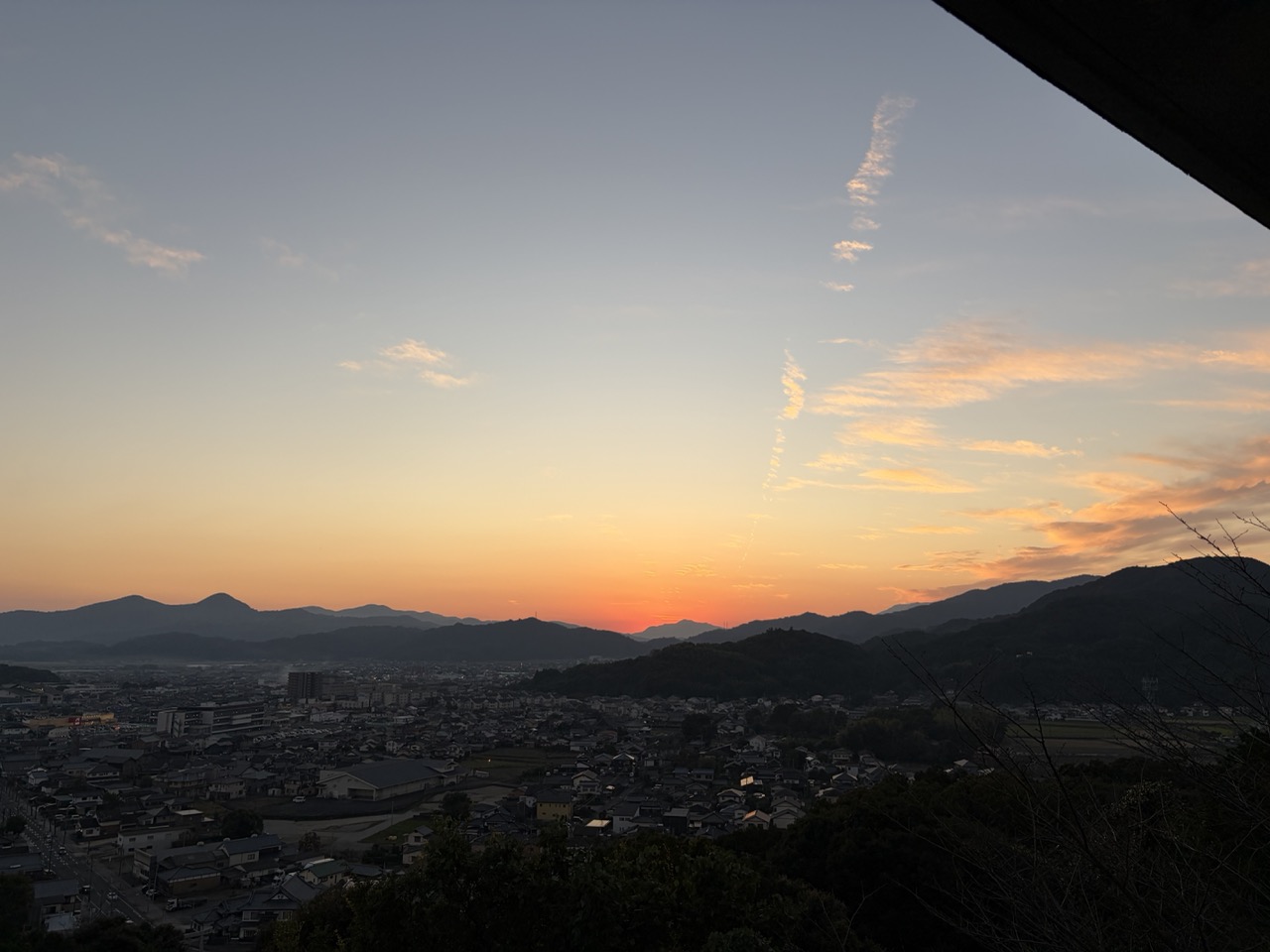
Sunset View, Ogi City, Saga Prefecture
# Surviving Even After Eating Tempura, Ramen, and Desserts
Japan is said to be a country with one of the lowest obesity rates in the world. But I absolutely could not agree with this. How can the obesity rate be low with a food culture that dares to put tempura, ramen, bread, and desserts at the forefront?
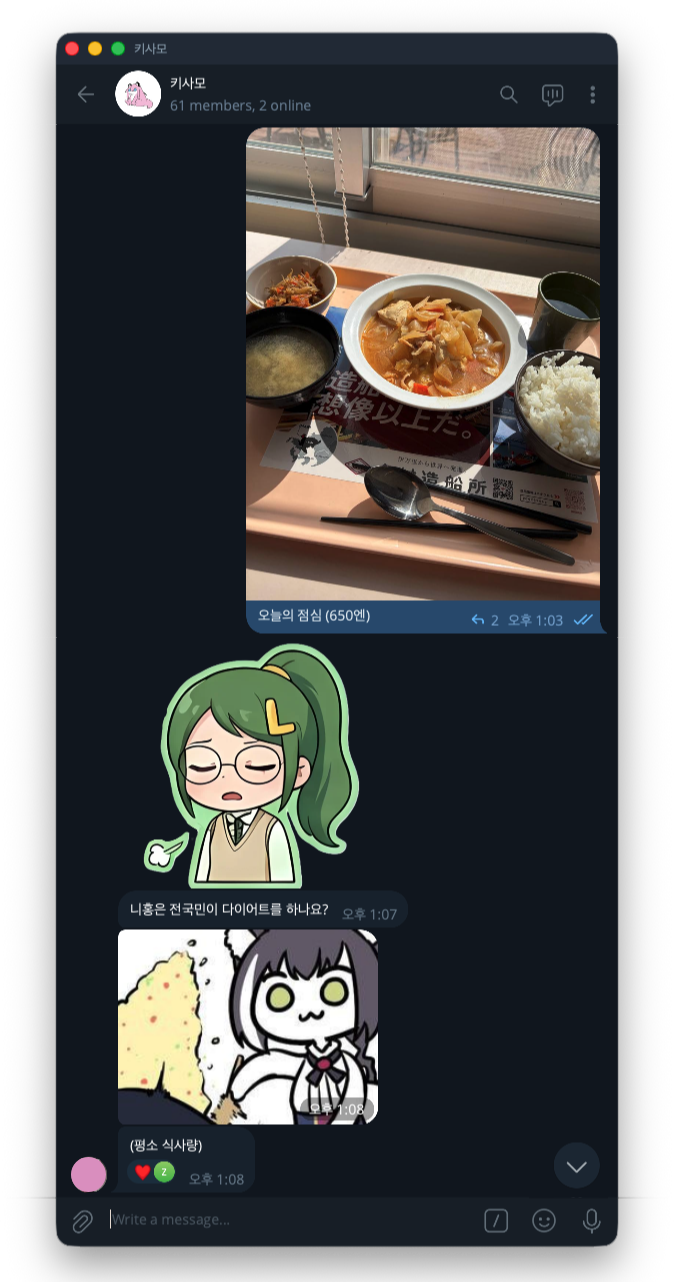
Me: Today’s lunch (650 yen); Member Z: Is the whole nation of Japan on a diet?
But soon, I was able to confirm the specific truth through their small meal portions and the use of bicycles. When eating out, one serving wasn’t enough, and even if I chose the large (Oomori) or double option, I would get hungry again not long after. Especially the single serving at the school cafeteria definitely did not seem like an amount that could satisfy young men in their prime.
What’s funny is that usually, everyone left their seats looking satisfied after eating like that.
I think everyone living in Saga would probably agree, but life in Saga was quite difficult without a bicycle. When I checked my records around the time I was wrapping up my life in Saga, it seemed I had cycled about 190km a month.
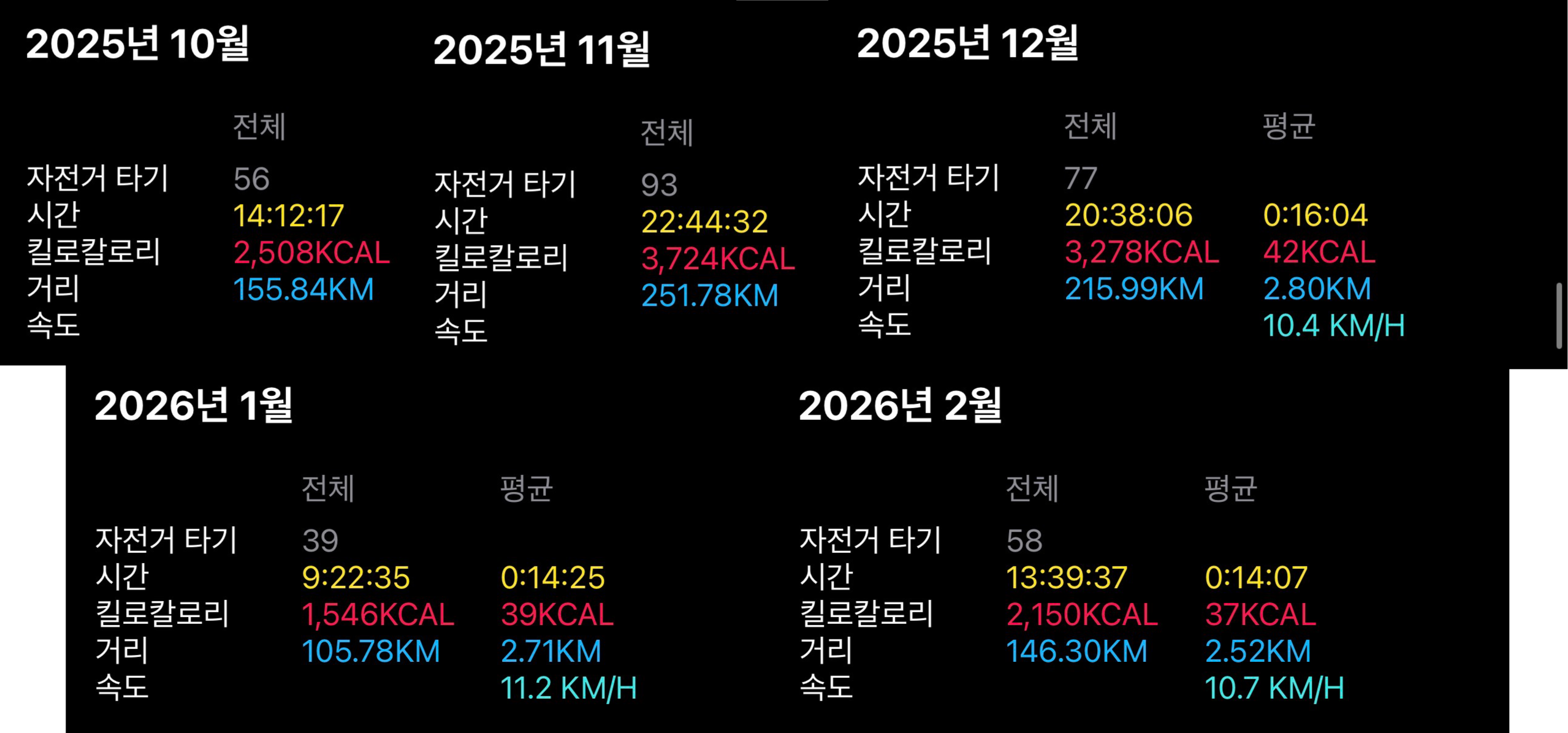
Since this was mostly recorded by the Apple Watch’s automatic workout detection feature, I probably actually rode about 250km a month. Anyway, riding that much, it wasn’t a matter of losing fat; I might not even need to do lower body workouts.
Actually, I changed my usual workout routine. If I did my lower body workout as usual, the problem wasn’t that I couldn’t walk the next day, but that getting back home on my bicycle became a huge hurdle. So, unless I planned to crawl on foot dragging my bike, I needed to tone down my lower body workouts.
# I Underestimated Triathlons
“Oh, then maybe I should try a triathlon after my exchange program?”
This is what I genuinely said while preparing for the exchange program after hearing that a bicycle is essential for life in Saga. I mean, I already know how to run a marathon, and I’ll probably ride a bike until I’m sick of it. I felt like I could do it if I just prepared for swimming. Besides, there’s a big swimming pool right in front of my house.
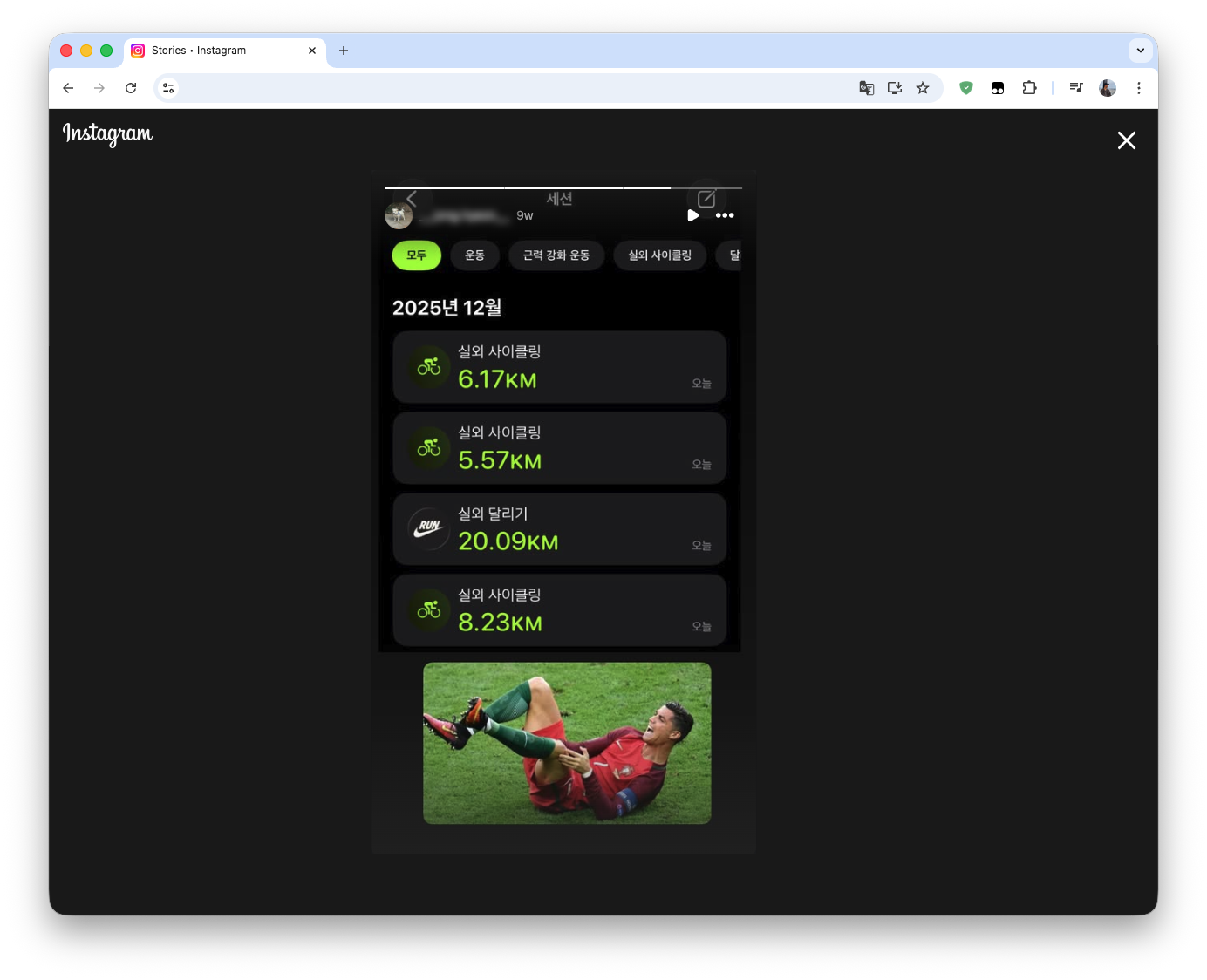
And time passed, and it was the jogging competition in Saga. I ran 20km. The problem was that I had to travel to the competition venue by bicycle. Even though I took plenty of time and moved slowly and leisurely to the venue, I ended up finishing in about 2 hours and 30 minutes, which was about 1.7 times slower than my personal half-marathon record.
It wasn’t even this hard during my first half-marathon. It was my first time experiencing my legs refusing to move properly and constantly cramping, as if they had turned into solid iron instead of muscle.
If you look up information to seriously prepare for a triathlon, you can easily find the term “brick workout” (muscle transition). That muscle transition probably meant that the state of your muscles has to change well to suit each discipline. I naively thought I could somehow manage that with spirit and willpower. But actually experiencing it, it felt like I was going to die.
# Physical Education Class
Thanks to the recommendation of another Korean exchange student, I took a P.E. class this semester. It’s been 5 years since I graduated from high school, and I thought I would never face P.E. as a class again, so I enthusiastically and joyfully participated in every session.
During the games, I remember that when we met as opposing teams, people usually kept their guard up and kept me in check. During the Flying Disc Ultimate game, I felt secretly proud seeing two or three people blocking me when I held the disc.
However, I think those who took the class with me felt it, but I wasn’t really someone to be that wary of. I was just fully enjoying the P.E. class that I would never get to take again, like an excited little puppy; I made frequent mistakes and didn’t coordinate well with my teammates.
In fact, my win rate is probably less than 10%. My teammates always said it was their fault, like they couldn’t catch the passes properly or that they made a mistake. But since every team I joined ended up piling on losses, I think the cause was pretty obvious.
Looking back on the train leaving Saga, there were many people whose names I never even heard properly. It’s just a shame that I can no longer put a name to the voices that used to call me “Park-san.” I know it’s my own fault for regretting it so late now, though.
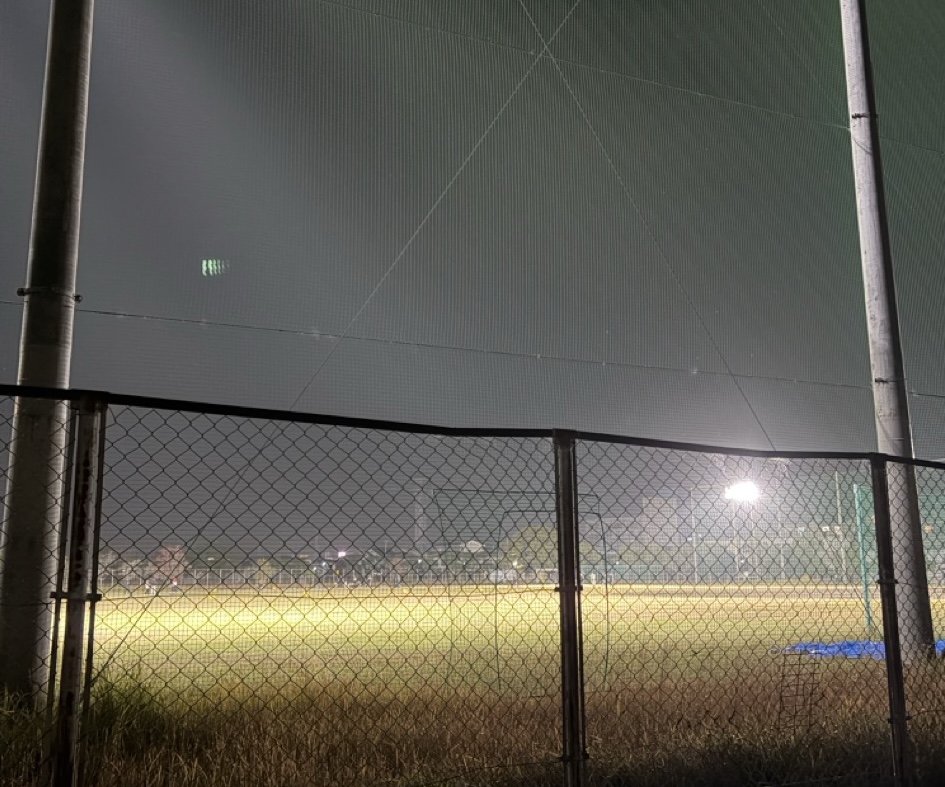
Saga University Athletics Stadium at Night, Honjo, Saga City, Saga Prefecture
# TLL
TLL, a gathering where we ate lunch and talked together every Thursday, was something I tried to attend every time I had the energy. I think I missed it a couple of times because of an assignment right before the deadline or because I was guiding friends visiting from Korea, but I usually made sure to show my face.
“I couldn’t get as close to other people as I thought,” “You end up seeing only the people you see every day”… Well, it seemed like some people stopped coming for various reasons, but then again, what reason was there not to go, and I didn’t really have anything else to do during that time anyway.
I think it was the place where I met the most local friends next to the P.E. class, but it was also a bit of an embarrassing place because I only played the role of receiving conversations.
The truth is, even in Korean, I have to put all my effort into keeping a conversation going, but having to use Japanese, which I am currently learning, and English, which I am not fluent in writing and speaking, I couldn’t properly throw out questions or topics at all.
Watching myself busy just trying to handle the incoming questions, I lamented, “Ah, what an arrogant attitude this is..! Can I really not come up with a single shred of curiosity or a proper question for these friends..!”
It would have been better if I had at least handled the questions properly. When asked to recommend travel destinations for their first trip to Korea, I was quite embarrassed when I could barely mention The Hyundai Yeouido, the National Assembly Building, Starfield Library, and Gyeongbokgung Palace. To brush off the subtle gaze of a local friend next to me who had been to Korea several times, I was busy making excuses, saying, “I’ve only ever been to Seoul for work or events.”
While talking with the English track students who came to Saga University, it eventually led me to start Duolingo. Starting Duolingo not while preparing for living abroad, but while actually living abroad. And starting the Duolingo English course in Japan, of all places.
Even I think it’s a very strange behavior.
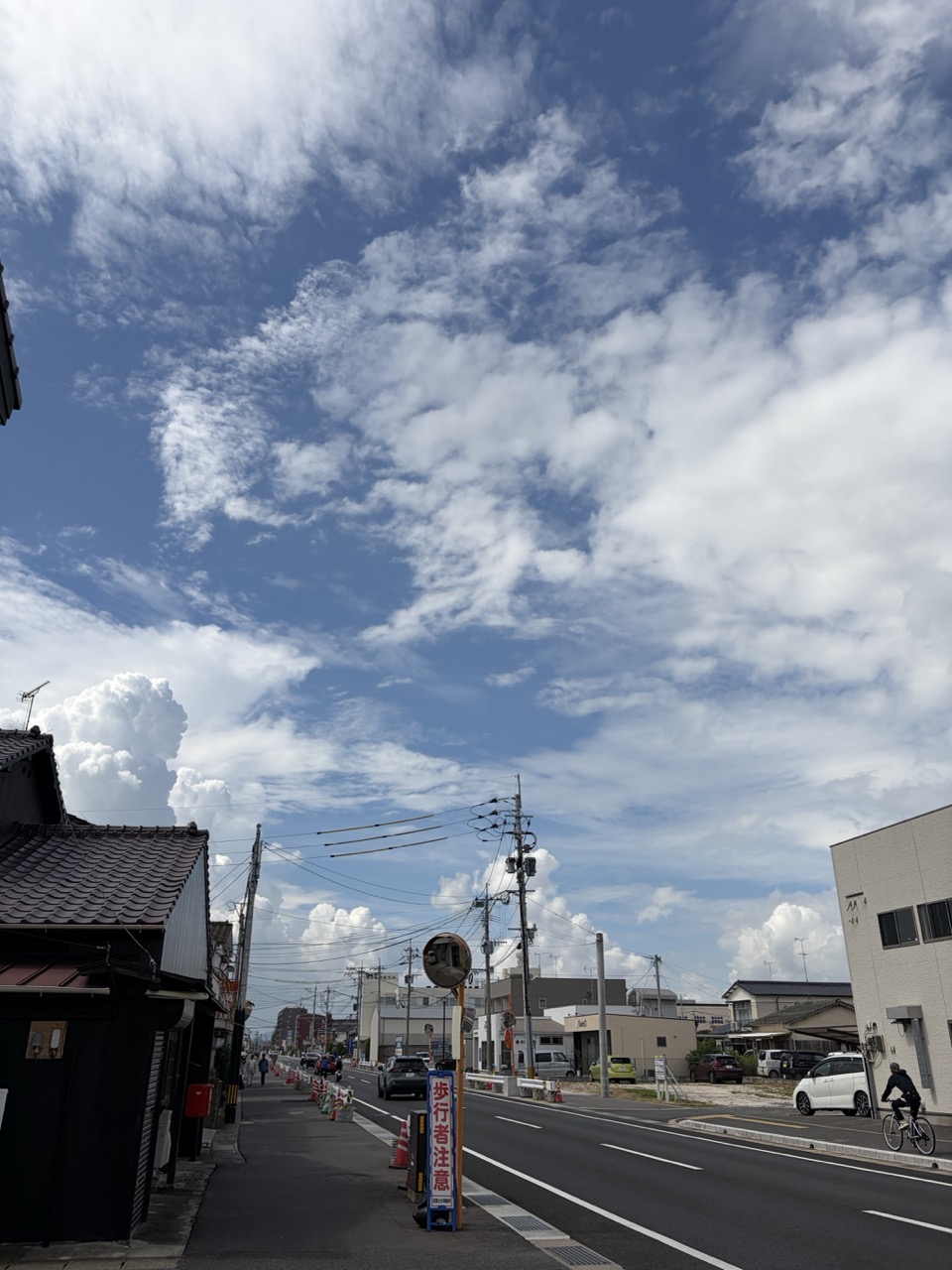
Near Saga University, Honjo, Saga City, Saga Prefecture
# SPACE-SAGA
Although I was a Special Auditing Student (General) track student, I think I hung out more closely with the friends from the SPACE-SAGA track than with the Special Auditing Students. Because Special Auditing Students choose whatever lectures they want like a normal college life, everyone has their own schedule, so we didn’t bump into each other often.
Perhaps because the general schedules of everyone in SPACE-SAGA were almost unified, once you bumped into one, you ended up bumping into everyone, and I repeatedly slipped into schedules where everyone was hanging out together.
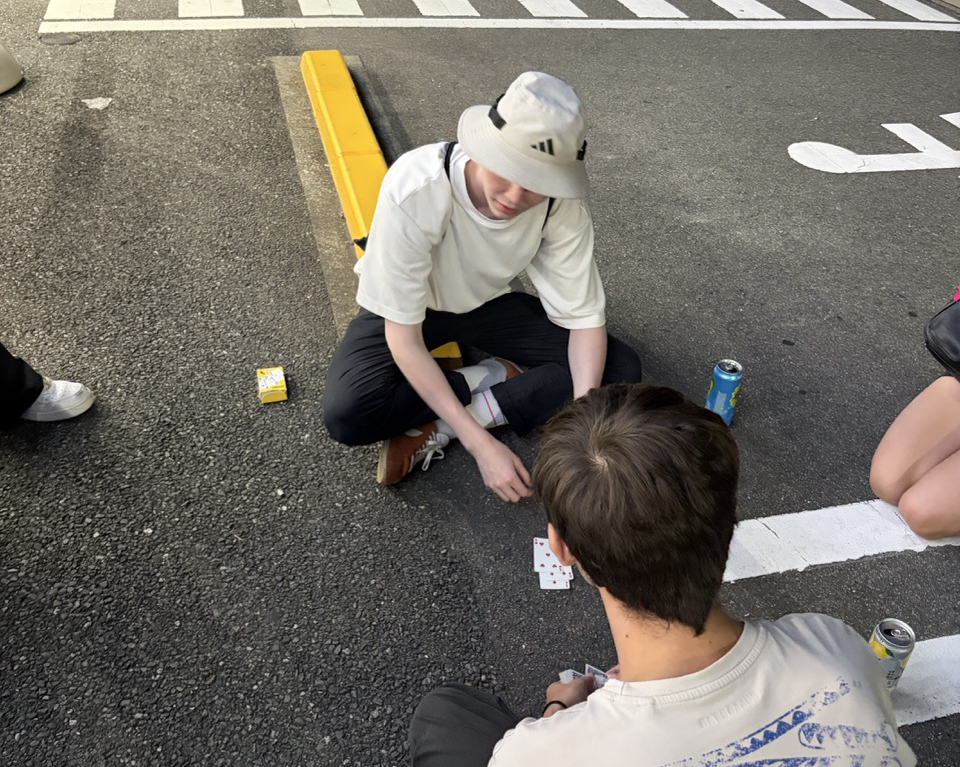
Playing One Card in front of Lawson late at night
Because it’s an English track, the SPACE-SAGA group itself was composed of students from very diverse countries, so I think there were many unexpected and various scenes. I think it was that much fun.
The friends from SPACE-SAGA were almost always gathered at the Lawson convenience store in front of the school drinking on Fridays before the weekend or late at night on weekends. How many times did I bump into them on my way back from working out, end up stuck there, and stay together for a long time even after the day changed?
# Culture Night
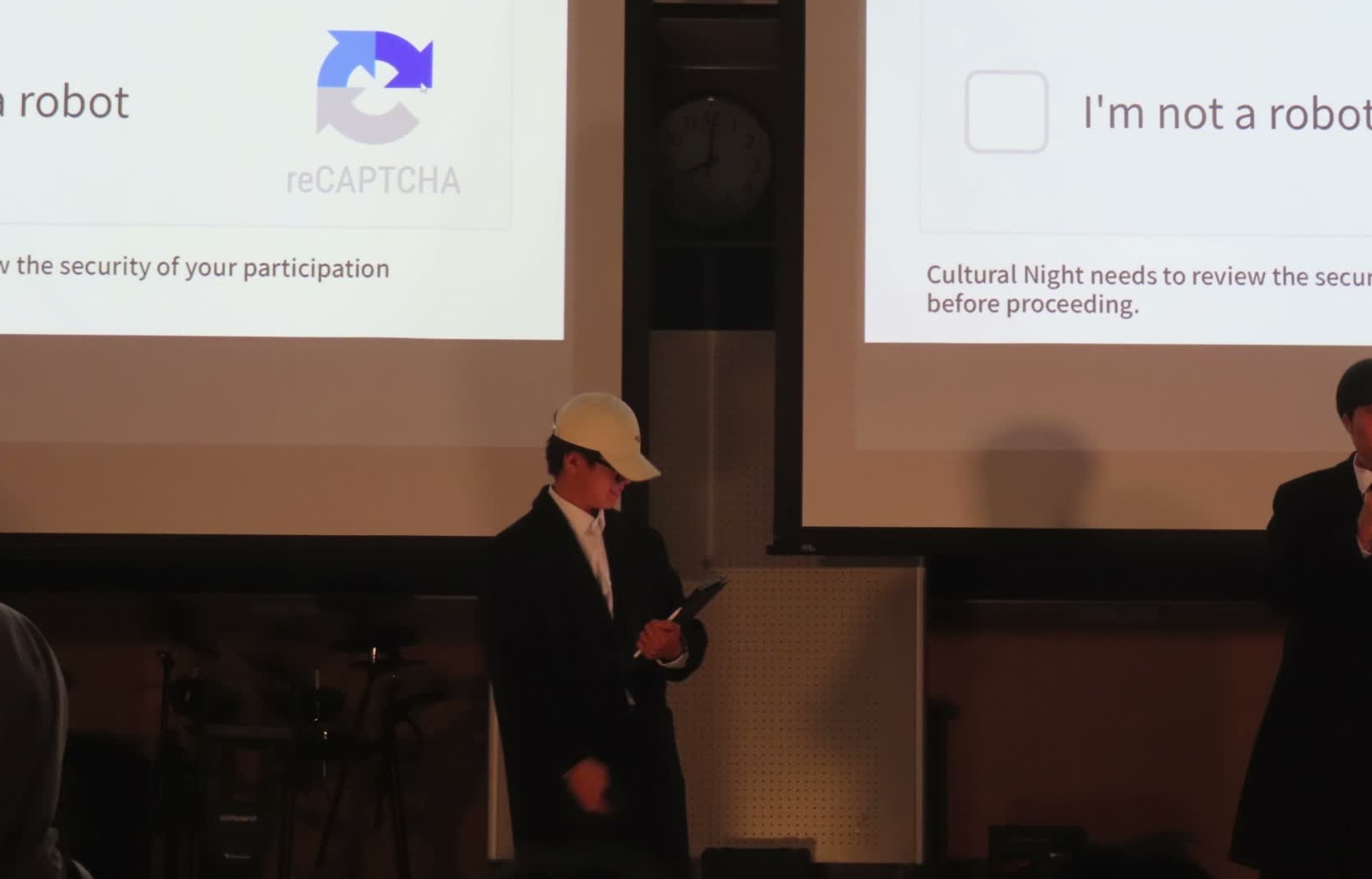
While preparing for the Global Supporters’ cultural exchange festival, Culture Night, I think I showed a lot of immature sides. In the end, it wrapped up well and I think it was evaluated as a good stage, so I’m relieved, but at the time, I don’t know how many times I fell into pessimism, thinking I had completely ruined the planning and that people who didn’t know the background would scoff and laugh at the shabbiness of the stage.
*So actually, preparing for the event was another small challenge. I think I can talk in detail about the things I learned quite a bit during the preparation process when I have some free time.
Japan was definitely a country of club activities and school festivals. ——— ‘The students leading this event must have prepared for school festivals many times and have operational skills honed by years of club activities, so they should be able to pull off an event like this easily.’ ——— Because what I imagined and what I actually faced were different, I think my disappointment was even greater.
Thinking about it now, I wonder if the age gap and experience gap that clearly existed between me and the Japanese students were the cause of the disappointment I felt. Or maybe it was their first time running something called an event. I had those thoughts.
Since expressing personal emotions straightforwardly in such matters is not a good attitude, I thought I tried my best not to show it. It’s embarrassing, but maybe I didn’t do it well, because in the end, I even received a light apology from the staff student in charge of our team.
I don’t know if I finally have the leisure to think this way because it’s all in the past, but couldn’t I have been a bit more relaxed? Couldn’t I have handled it with the composure of an adult? I am still reflecting on it now.
# In the End, Shut in My Room Again
Instead of enjoying the limited-time life abroad that I obtained by paying a lot of effort, money, and time, I locked myself in my room again and pounded on the keyboard.
Maybe it’s an unavoidable fate as long as I major in computer science.
Almost all the time I spent using the computer was used to forcefully continue a development project I brought from Korea, a project that was probably demanding things far beyond the rights and responsibilities originally assigned to me.
It was a task to make a real-time multiplayer 3D game in Unity that accommodates about 4 players, plus about 4 spectators.
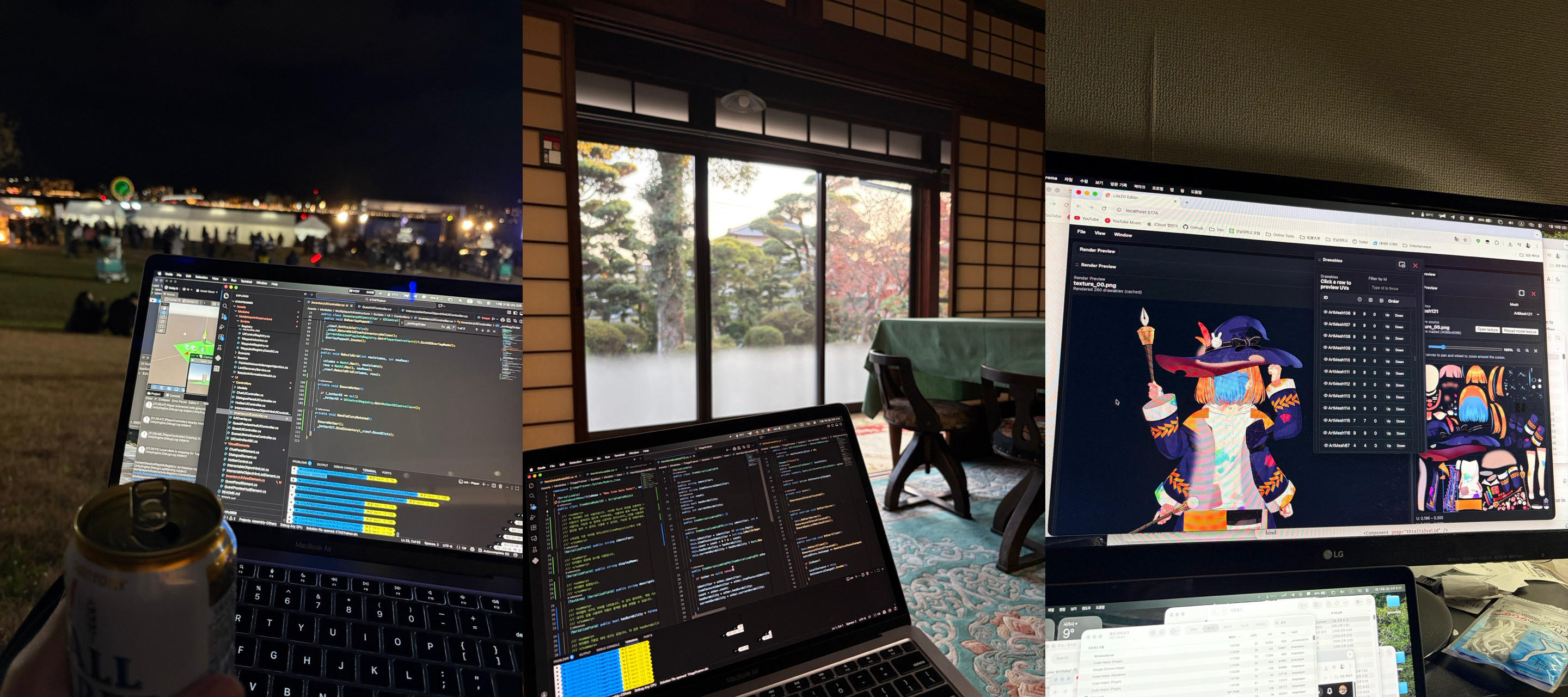
Because of this, unfortunately, wherever I went, I always carried my laptop and hammered away at work regardless of the time and place
People around me told me to take a break, look around, and find some leisure at least during the exchange program.
Especially regarding that project, which was eating up most of my time, I think the people around me were making a bigger fuss about it than I was.
Eventually, the clamor telling me to quit echoed from inside and outside of me, reaching a point where I couldn’t tell which voice was a friend’s advice and which was my own mind.
Moreover, in the development project, I was the only developer, and the rest of the personnel were all from departments completely unrelated to computers. Armed with a vague optimism that AI would do whatever they wanted, they made me sick and tired of it.
But as a result, I still haven’t been able to drop the project and am continuing with it.
I suppose I have no choice but to live like this.
Didn’t I personally prove once again this time that I am a hopeless computer nerd who can’t be saved by his own hands?
I wondered, “Would things have been a little different if I hadn’t brought this project from Korea?”
But, no. I would have been unable to endure the very short boredom of an interlude, probably just a few hours, and would have started some other unmanageable task, pounding on the keyboard again.
So actually, all I could do was curse myself for becoming so weird.
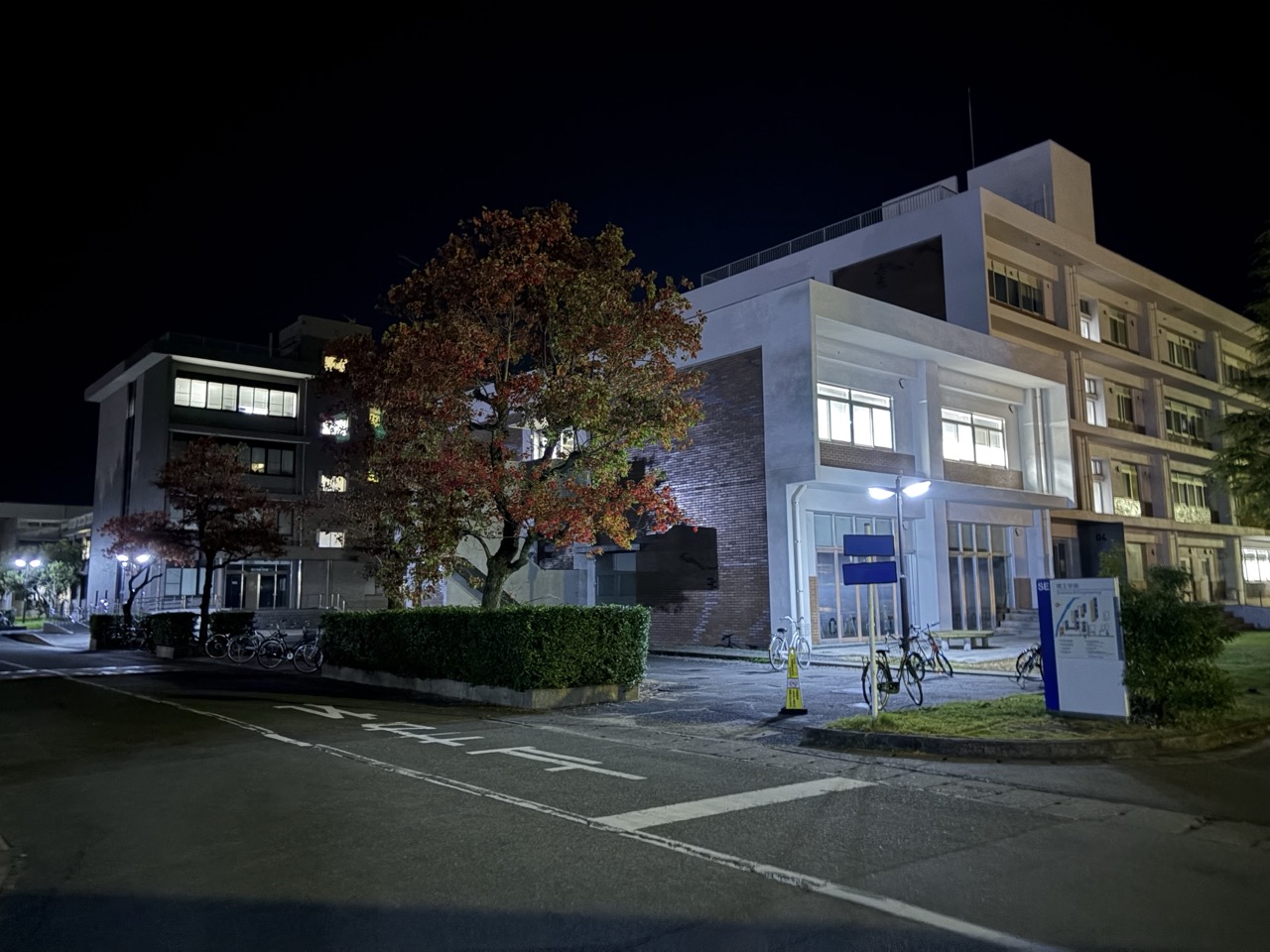
The lights in the College of Engineering never go out 24 hours a day, anywhere in the world, Saga University, Saga City, Saga Prefecture
# Connections
If I had to pick the phrase I heard the most in Korea before boarding the flight to Saga, it was definitely, “Let’s get a Japanese girlfriend.” I counted up to about 50 times how many times I heard it, and eventually gave up counting.
I don’t know if it’s just that Koreans living in Japan only show those kinds of things on social media, or if it’s actually true, but it seems like the degree to which international romance goes viral has increased recently, or the number of people hoping for romance with foreigners is increasing.
Actually, for me, I think I was able to observe quite a variety of cases up close, enough to serve as an education in romance. So there are people who put in that much effort. Ah, so in the end, it results in this, or that.
Exchange students stay for a short period and have to return to their original countries. So, the different appearances, thoughts, actions, and responses of each person worrying about what comes after the exchange program were novel and colorful, providing me with a lot of food for thought.

A Santa Claus colored by local children; Tsuruha Drug, Honjo, Saga City, Saga Prefecture
# The End is Not Yet
For a while, I engaged in job hunting for Japanese companies. During this time, even when I passed all the technical interviews, I was always pointed out for my Japanese communication skills and got stuck, so the only conclusion left was, ‘I really have to study Japanese more.’
Actually, I didn’t even have to look far; I couldn’t perfectly digest the Japanese classes held right at school. Whenever I finished a presentation and had to fend off incoming questions, failing to come up with the right words and stuttering made my face burn every time.
In Korea, when I occasionally heard complaints like, “Why do you speak so difficultly?”, I used to think, ‘That’s nonsense, what part of that was difficult?’ But. Yes. I finally realized it. When I tried to speak the vocabulary I normally use directly in Japanese, almost all of them were Sino-Korean words.
Worrying over and over again, ‘Was this word pronounced like this in Japanese?’, the level of my stuttering crossed the line and reached a point where I couldn’t do anything about it.
Towards the end of this exchange program, I applied for a double major in Japanese at my home university and it was accepted. According to my current calculations, my graduation will be delayed by about a year.
It would actually make more sense to do a double major while preparing for the exchange program rather than applying for it after coming back, but I think it’s a choice as subtle as starting the Duolingo English course in Japan.
It feels akin to throwing away the optimal opportunity and chasing after a missed train too late.
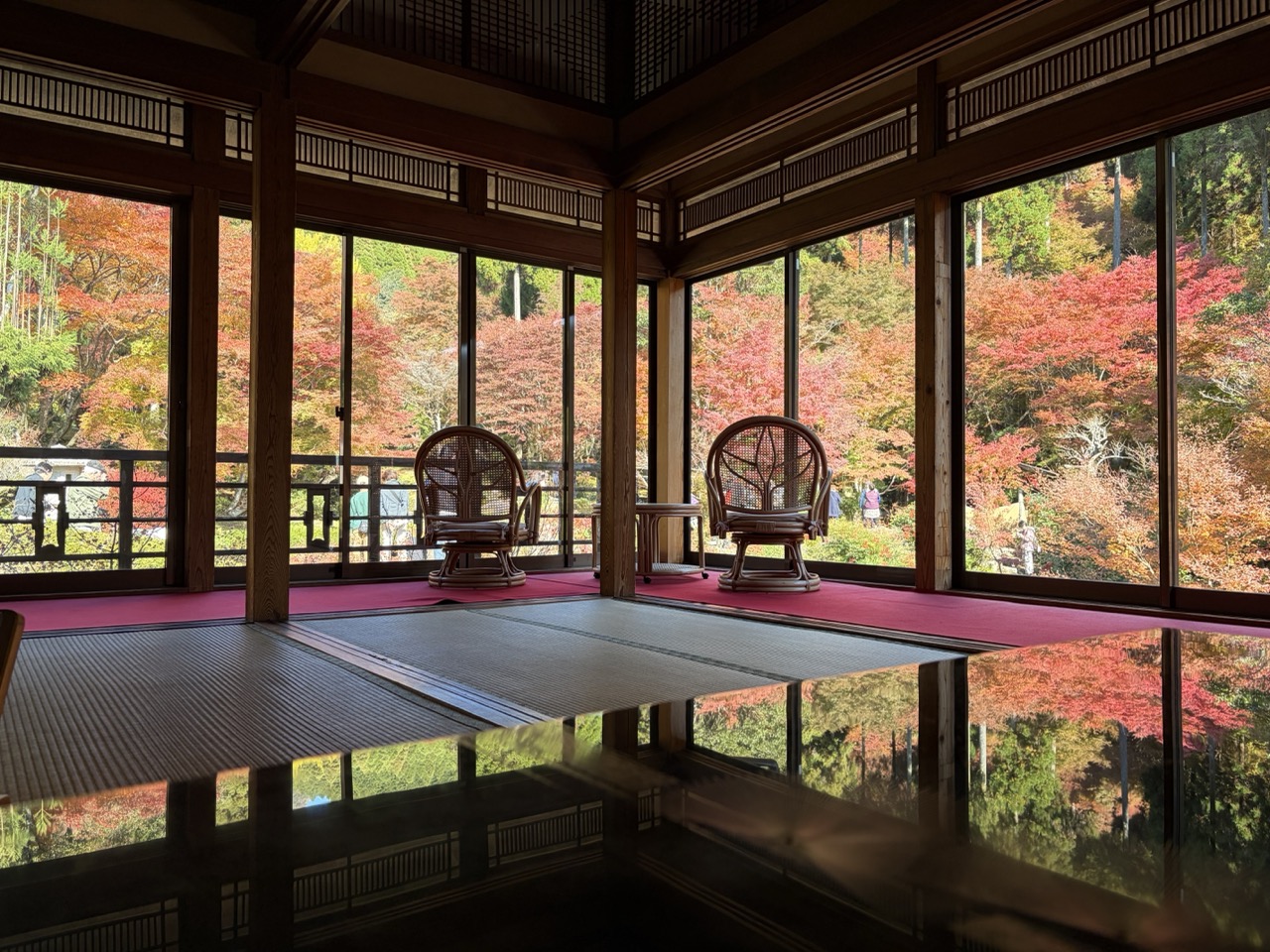
Environmental Art Forest, Kyuragi, Karatsu City, Saga Prefecture